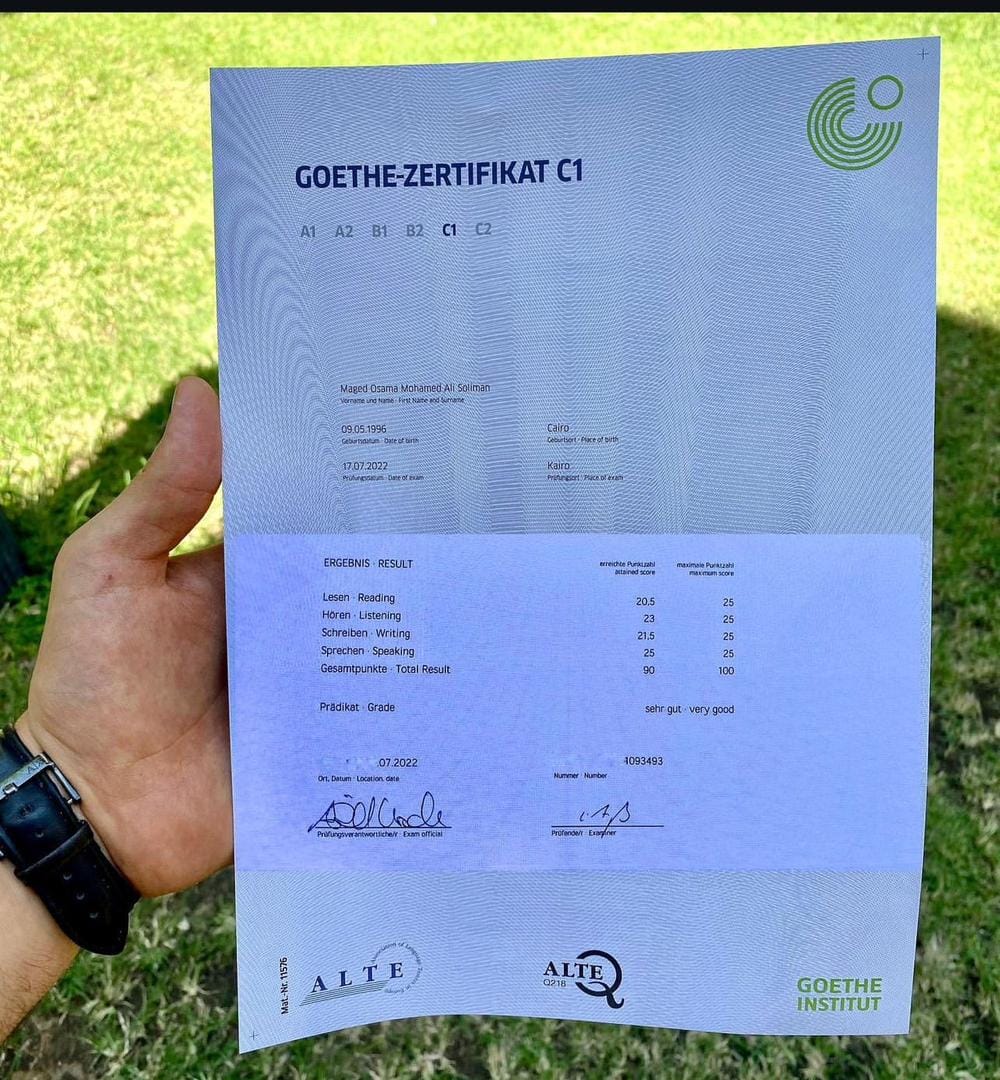
The History Of Meaning Of TestDaF Results
Understanding the Meaning of TestDaF Results
In a significantly globalized world, the proficiency of the German language is becoming progressively crucial. For non-native speakers who intend to study or operate in Germany, the TestDaF (Test Deutsch als Fremdsprache) has actually emerged as a substantial methods of showing their proficiency. In this blog post, we will look into the meaning of TestDaF results, explore their implications, and offer essential details to assist you analyze them successfully.
Introduction of TestDaF
The TestDaF is a standardized language test created particularly for non-native German speakers. It assesses the proficiency of candidates in various academic and expert settings. The exam consists of four sections: Reading Comprehension, Listening Comprehension, Written Expression, and Oral Expression, each intended at assessing the respective language skills required for study or operate in Germany.
Why is TestDaF Important?
- University Admission: Most German universities require a certain level of German proficiency for admission into degree programs, particularly those taught in German.
- Career Opportunities: Higher German proficiency can improve work chances, particularly in fields such as engineering, healthcare, and academic community.
- Cultural Integration: Proficiency in the German language promotes better combination into German-speaking environments, both socially and professionally.
Structure of the TestDiF
Before we dive into the meaning of the results, let's take a peek at the structure of the TestDaF exam.
Area
Period
Total Points
Goal
Reading Comprehension
60 min
20 points
Comprehend composed texts
Listening Comprehension
40 minutes
20 points
Understand spoken German
Composed Expression
60 min
20 points
Write an argumentative text
Oral Expression
30 minutes
20 points
Communicate successfully orally
Total possible rating: 80 points
Grading System
The results of the TestDaF are graded on a scale from TDN 3 (the most affordable passing grade) to TDN 5 (the greatest score). Here is a breakdown of the scoring system:
TDN Level
Points Range
Description
TDN 3
10-12 points
Enough for undergraduate research studies in German
TDN 4
13-15 points
Helpful for many programs, consisting of professional courses
TDN 5
16-20 points
Excellent; required for advanced research studies in German
Analysis of TestDaF Results
Understanding TestDaF results is vital for candidates as it informs their next steps— be it using to universities, looking for employment, or enhancing their language skills. Here's how to translate ball games:
- Reading Comprehension: A high rating in this area indicates strong reading skills, vital for comprehending academic literature.
- Listening Comprehension: A solid score signifies the capability to follow lectures, conversations, and non-academic content, crucial for any scholastic setting.
- Composed Expression: A higher score shows skills in written German, necessary for essays and research documents.
- Oral Expression: This score reflects one's ability to participate in conversations and present ideas coherently— essential for involvement in seminars.
What Do TestDaF Results Mean for You?
Depending on specific objectives and requirements, the results of the TestDaF can result in various paths, including:
- University Admissions: Most universities in Germany have particular TDN requirements. A minimum of TDN 4 is typically essential for undergraduate programs.
- Task Applications: For non-academic positions, employers might look for a minimum TDN 3. Nevertheless, more competitive functions normally need at least TDN 4.
- More Studies: Those intending for postgraduate education often require a TDN 5, particularly for research-oriented programs.
Impact of TestDaF Results on Future Prospects
TestDaF results can impact a prospect's life substantially:
- Academic Opportunities: Acceptance into preferred academic programs hinges on having the required TDN scores.
- Professional Growth: Companies frequently focus on candidates with greater language efficiency— a strong TestDaF result can enhance one's resume.
- Social Integration: Better language abilities can assist in social interactions and neighborhood involvement, improving total quality of life in a German-speaking environment.
Regularly Asked Questions (FAQs)
1. What is the passing score for TestDaF?
A passing rating is usually thought about to be TDN 3 or greater. However, specific requirements might vary depending upon the university or employer.
2. How long are TestDaF ratings valid?
TestDaF ratings are valid for two years from the date of the test. After that duration, applicants might be asked to retake the exam to demonstrate their current language skills.
3. Can Geothe Zertifikat 4 All retake the TestDaF?
Yes, candidates can retake the TestDaF as often times as they want. Enhancement in ratings is common with more practice and study.
4. How should I prepare for the TestDaF?
Preparation can include:
- Taking language classes.
- Utilizing online resources and practice tests.
- Talking with native speakers.
- Consuming German-language media (films, podcasts, literature).
5. What resources are readily available for TestDaF preparation?
- Authorities TestDaF preparation materials.
- Online platforms providing practice tests and workouts.
- Local language schools offering targeted TestDaF preparation courses.
In summary, the TestDaF is an essential tool for anybody aiming to establish their efficiency in the German language. Comprehending the meaning of TestDaF results is necessary for prospects aiming to pursue their academic or professional goals in a German-speaking environment. With a clear grasp of the scoring system, grading levels, and the ramifications these results carry, people can much better strategize their next steps toward success in Germany. As you prepare for the TestDaF, remember that efficiency in German is not simply an academic requirement; it likewise opens doors to individual development and cultural exchange in one of Europe's most vibrant countries.